A Fresh Look at the Cafe Scene in Monument, CO
Monument has long lived in an interesting space along the Front Range. It is close enough to Colorado Springs to feel connected, far enough north to keep some breathing room, and small enough that local businesses still shape the character of an ordinary morning. That dynamic shows up clearly in its cafes. Spend a little time moving through town, from the historic core toward the newer commercial pockets, and a pattern emerges. The cafe scene in Monument, CO is not trying to mimic Denver, and it is not frozen in small-town nostalgia either. It sits somewhere in between, which is part of its appeal.
For residents, a cafe is rarely just a place to grab caffeine. It is where remote workers try to get two clean hours of concentration before school pickup. It is where cyclists stop after an early ride, where retired neighbors read local news in print, and where parents negotiate peace with a pastry and a hot chocolate. In a community like Monument, the practical role of a cafe matters as much as the menu. Comfort, parking, noise level, and consistency can matter more than latte art.
That is why a fresh look at the local cafe scene is worthwhile. The conversation often stops at whether a place serves good coffee, but that barely scratches the surface. A well-run cafe has to perform on several fronts at once. It needs a product people genuinely enjoy, a room people want to spend time in, and a rhythm that fits the community around it. In Monument, that balance looks a little different than it does in larger cities, and understanding those differences says something useful about the town itself.
What makes a Monument cafe feel local
The most distinctive cafes in Monument tend to understand one basic truth. People here want quality, but they also want ease. They do not want to be lectured by a menu board or forced into a performance of taste. They want good espresso, well-made drip coffee, fresh food if possible, and service that is attentive without hovering. The best local spots manage to feel competent and grounded at the same time.
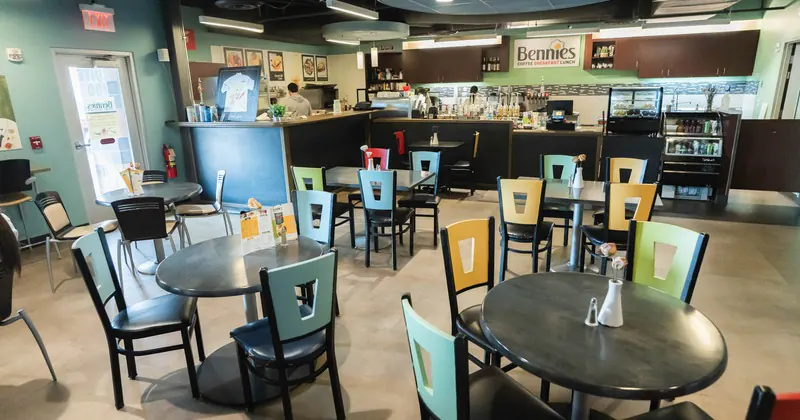
There is also a visual and spatial quality that matters more in Monument than in denser urban markets. People notice whether a cafe has room to breathe. Tight, cramped interiors can work in a downtown district where everyone expects to take a drink to go, but Monument customers often linger. They bring laptops. They meet a friend. They settle in after a morning walk or before heading to the office. Seating layout, window light, and acoustics carry real weight here. A cafe can serve an excellent cappuccino and still struggle if every conversation bounces off hard surfaces or if there are only six workable seats.
Weather shapes the experience too. Monument’s elevation and seasons influence what regulars look for. On a bright winter morning, a sunlit corner with a sturdy mug of dark roast can matter more than a highly experimental single-origin pour-over. During summer, especially when the town is busy with visitors heading toward Palmer Lake or passing through on I-25, speed and cold drink options become more important. A cafe that adjusts smoothly with the season tends to build loyalty.
Coffee quality still matters, but not always in the obvious way
It is easy to over-romanticize coffee culture. For many customers, the difference between a pleasant, balanced cup and an extraordinary one is less important than reliability. In a place like Monument, consistency often wins. The cafe that delivers a very good drink every single visit generally earns more trust than the one that swings wildly between brilliant and disappointing.
That does not mean quality standards are low. Quite the opposite. People know when espresso tastes scorched, when brewed coffee has been sitting too long, or when milk texture is heavy and flat. They may not describe the problem in technical terms, but they feel it immediately. The cafes that stand out are usually the ones that take basic execution seriously. Shots are pulled with care. Batch coffee is rotated often enough that it still tastes alive. The menu may not be huge, but the core drinks are dependable.
In my experience, the strongest cafe programs in towns like Monument do one thing especially well. They avoid unnecessary complication. They know the difference between craft and fussiness. A balanced americano, a smooth latte, a drip coffee that does not taste tired by midmorning, these details build a reputation more effectively than trendy ingredients ever will. If a house-made syrup is offered, it should taste like a real improvement, not a gimmick.
Food quality matters too, though expectations are different from those at a full-service brunch restaurant. Customers appreciate a cafe that can provide a genuinely satisfying breakfast sandwich, a pastry that tastes fresh rather than shipped and forgotten, or a light lunch option that feels intentional. In Monument, where many people may be commuting, heading to appointments, or fitting errands into a tight window, the ability to grab something solid alongside coffee can elevate a cafe from occasional stop to weekly habit.
The town’s geography shapes the cafe experience
Monument is not built around one concentrated pedestrian district in the way some older towns are. It has a recognizable historic center and several commercial nodes, but much of daily life still unfolds through short drives and deliberate stops. That affects which cafes thrive. Accessibility matters in a direct, practical way. Easy parking, intuitive entry, and traffic flow all influence customer behavior more than owners sometimes realize.
A cafe near established neighborhood patterns often has an edge. Being close to schools, commuter routes, community gathering points, or well-used retail corridors creates natural repeat business. Yet there is a trade-off. High visibility can also bring a more rushed atmosphere. Some customers want exactly that, especially on workdays. Others are searching for a quieter environment where they can hold a conversation without feeling the line pressing behind them.
This is one reason the Cafe Monument, CO conversation cannot be reduced to a single ideal model. The town supports more than one type of cafe experience. There is room for the efficient morning stop, the social hub, and the quieter work-friendly room, but each has to know what it is. Problems usually start when a business tries to be everything all at once. A place designed for rapid turnover can frustrate people who want to settle in. A cafe built around lingering can create bottlenecks if the service model is not built for peak-hour volume.
Atmosphere is not decoration, it is operating strategy
Plenty of owners treat atmosphere as a matter of style alone. They focus on wall color, shelving, or branded mugs. Those things matter, but only after the fundamentals are right. Atmosphere starts with whether people can hear one another. It includes the flow between ordering and pickup, the spacing between tables, the quality of lighting at different times of day, and even whether the room stays comfortable when the front door keeps opening on a cold morning.
In Monument, where customers span teenagers, retirees, military families, commuters, and home-based professionals, atmosphere needs to serve a broad range of uses. A room that works at 7:30 a.m. With a line of commuters may feel very different by 11:00 a.m., when freelancers and casual meetups take over. The best cafes understand this daily shift and build for flexibility. They may offer a few bar seats for solo customers, larger tables for informal meetings, and corners that do not feel exposed.
There is a social cue in every cafe, usually within the first thirty seconds. It tells you whether you are welcome to stay or merely tolerated if you do. In strong local cafes, that cue is clear and positive. The room feels inhabited rather than staged. Staff move with purpose. Regulars are recognized without making newcomers feel like outsiders. Those details are difficult to fake, and customers notice them quickly.
The role of service in a smaller community
Service carries a different weight in smaller towns than it does in places where anonymity is the norm. In Monument, people return often enough to remember how they were treated. A rushed or indifferent interaction lingers longer because the market is smaller and routines are more personal. On the other hand, friendly service has compounding value. It turns an ordinary stop into part of someone’s week.
Good service in a cafe setting is less about charm than about judgment. Staff need to read the room. Some guests want a quick handoff and nothing else. Others appreciate a brief recommendation or a little patience when ordering for children. Baristas who can shift naturally between those modes become central to a cafe’s identity. They make the operation feel steady.
This matters even more during peak times. Monument’s busiest cafe windows often align with school traffic, commuter patterns, and weekend recreation. Under pressure, weak systems reveal themselves quickly. Orders back up, pickup becomes confusing, and the room feels more stressful than welcoming. Customers are generally forgiving when they sense honest effort, but they are much less forgiving of chaos that seems preventable. Clear workflow, visible communication, and realistic staffing matter more than decorative touches ever will.
Remote work changed the stakes
Over the last several years, cafes in towns like Monument have become informal offices, whether owners wanted that or not. Some embraced the shift. Others struggled with the tension between hospitality and table turnover. The challenge is understandable. A person who buys one drip coffee and occupies a four-top for three hours creates a different economic reality than a stream of quick transactions. Yet remote work is now woven into local demand, and cafes that ignore it completely may miss an important customer base.
The smarter response is not to ban laptops or silently resent them. It is to design expectations into the experience. Ample outlets, decent Wi-Fi, and seating that supports short work sessions can make a cafe more attractive without letting one use case dominate the room. Some cafes naturally divide into zones, one more social, one quieter. Others rely on subtle signals, such as table size, furniture type, or the way certain spaces are arranged.
For Monument residents, this flexibility matters. Many people split their workdays. They may start at home, take a call from a cafe, then head elsewhere. A local cafe that supports that rhythm becomes part of the town’s economic fabric in a way that is easy to overlook. It is not just selling drinks. It is offering a temporary workplace, a social release valve, and a transition point between obligations.
How local identity shows up on the menu
Not every community expresses itself through highly regional ingredients. Monument’s cafe identity is more understated than that. It tends to show up through restraint, comfort, and a preference for offerings that feel broadly appealing rather than aggressively niche. Seasonal drinks can do well here, but only when they are executed with some discipline. A fall special should still taste like coffee. A winter mocha should feel balanced rather than syrup-heavy.
There is also room for subtle local influence. A bakery partnership, a breakfast item with enough substance to carry someone through a long morning, or a grab-and-go option that works for hikers and drivers alike can say more about place than a branded slogan ever could. The strongest cafe menus usually reflect Cafe Monument, CO real patterns in local life. If many customers are coming in after school drop-off, before outdoor recreation, or en route to work, the offerings should match those needs.
A useful test is whether the menu helps people make a decision quickly. Overbuilt menus often signal uncertainty. Customers may appreciate choice, but too many middling options create friction. In my experience, Monument diners tend to reward cafes that edit well. A smaller lineup done carefully often performs better than a sprawling board full of things nobody orders twice.
The hidden economics behind a good neighborhood cafe
From the outside, a thriving cafe can look deceptively simple. Coffee, pastries, some tables, maybe a line out the door on Saturday. Behind that scene sits a tight operating equation. Coffee has attractive margins compared with many foods, but labor, rent, utilities, equipment maintenance, and spoilage narrow the picture fast. Add the expectation of comfortable seating and longer dwell times, and the business becomes more demanding than many customers realize.
That is part of what makes the cafe scene in Monument, CO interesting. Local operators are serving a town with real expectations but not the nonstop foot traffic of a major city core. They need loyal regulars, not just occasional weekend enthusiasm. They need to price carefully. Go too high, and a daily ritual becomes harder to justify for families and commuters. Go too low, and the business starves itself.
This is why consistency and identity matter so much. A cafe does not need to please every possible customer. It needs enough repeat business from people who feel that the place fits their routine. Some cafes win by being quick and reliable. Others become known as the place where meetings happen, or where the pastry case is worth a detour, or where the room still feels calm at 2:00 p.m. A clear role is usually more sustainable than broad ambition.
What customers should look for when choosing a go-to spot
Most people do not need the “best” cafe in an abstract sense. They need the one that fits the way they live. For a parent with twenty minutes between errands, convenience and speed may matter most. For a remote worker, comfort and noise level may outweigh everything else. For someone meeting a friend weekly, parking and table spacing can determine whether the visit feels relaxed or awkward.
A practical way to judge a cafe is to visit it at the time you would actually use it. A place that feels peaceful at 10:30 a.m. On Tuesday may be packed and loud on Saturday. A shop with great coffee might still be the wrong fit if the seating is too limited for your needs. Likewise, a room that feels charming at first glance can become frustrating if ordering and pickup are disorganized.
Regulars tend to ask a few quiet questions, even if they do not say them out loud. Does this place respect my time? Does it make it easy to come back? Does the experience improve my morning or complicate it? Those are the questions that build habits. They are also the questions that ultimately determine which cafes become anchors in a town.
Where Monument’s cafe scene may be headed
The next chapter for Monument’s cafes will likely be shaped less by novelty than by refinement. There is room for growth, certainly, but the most successful concepts will probably be the ones that understand the town’s scale and temperament. Overdesigned experiences can feel out of place here. So can bare-bones operations that underestimate customer standards. The sweet spot is thoughtful, capable, and unpretentious.
There is also reason to expect more specialization over time. As communities mature, customers become more precise about what they want from a cafe. One location may lean into breakfast and commuter traffic. Another may build a stronger identity around pastry, a calm work atmosphere, or afternoon community gathering. That kind of differentiation is healthy. It gives residents genuine choice rather than a series of interchangeable coffee counters.
At the same time, the fundamentals will not change. The winning formula in Monument is still likely to be warm service, dependable drinks, sensible food, and a room people are glad to enter. Trends come and go. Daily habits do not. A cafe earns its place in town by becoming useful, then familiar, then quietly essential.
That is what makes a fresh look at this scene worthwhile. The cafes in Monument are not just businesses on a map. They are local infrastructure for conversation, routine, work, and pause. They help shape how the town feels from the inside. And when they get the details right, from the coffee itself to the welcome at the counter, they offer something more lasting than novelty. They give Monument one of the things every good town needs, a place to arrive, settle in, and feel, even briefly, that the day is back under control.
Bennies Cafe
17230 Jackson Creek Pkwy Ste 100, Monument, CO 80132
+1 719-445-0660
FAQ About Cafe Monument, CO
What is considered a café?
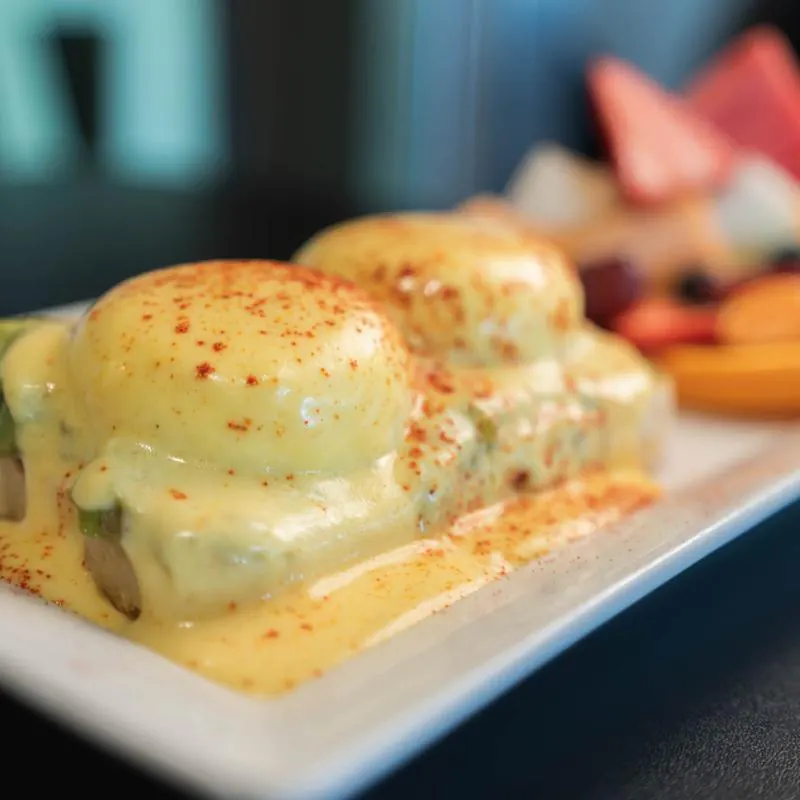
A café is generally an informal place to enjoy refreshments and a meal. Bennies Cafe in Monument serves breakfast and lunch in a counter-service setting, with options including eggs Benedict, sandwiches and crepes. Guests can eat in or arrange pickup.
What is the difference between a coffee shop and a café?
The terms often overlap. A coffee shop usually emphasizes coffee and other drinks, while a café may offer a broader food menu. Check the individual establishment's menu rather than relying on its name. Bennies Cafe offers coffee drinks alongside breakfast and lunch dishes.
What is the difference between café and coffee?
In everyday English, a café is a place where people buy food and drinks, while coffee is the beverage. The word café comes from the French word for coffee. Bennies Cafe serves options such as brewed coffee, espresso and lattes as part of its drinks menu.