What Makes a Cafe in Monument, CO So Special
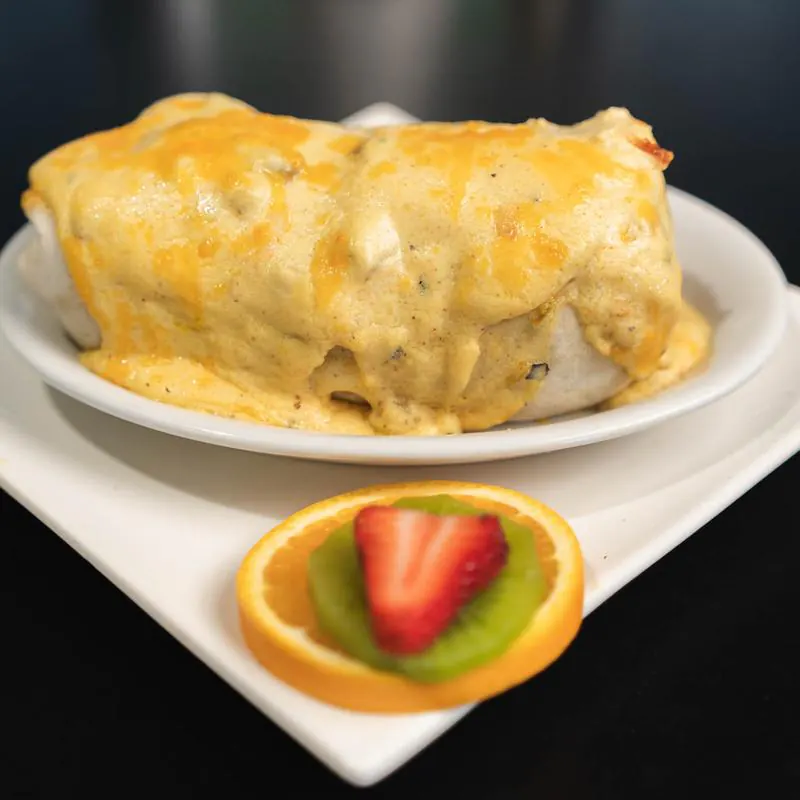
A memorable cafe is never just about coffee. The drink matters, of course. So does the pastry case, the service, the music level, the chair you choose without thinking, and the feeling you get ten minutes after you sit down and realize you do not want to leave yet. In a town like Monument, Colorado, those details become even more important because people are not only looking for caffeine. They are looking for a place that fits the pace, weather, landscape, and social rhythm of the community.
That is what makes a cafe in Monument, CO stand out when it is done well. It serves as a morning stop, a remote office, a meeting place, a warm refuge during snow, and a cool retreat after a sunny Front Range afternoon. It has to be versatile without feeling generic. It has to welcome regulars while still making a first-time visitor feel instantly comfortable. Most of all, it has to feel rooted in Monument rather than copied from a larger city.
People who spend time in small Colorado towns can usually tell the difference within a few minutes. Some places are technically fine. The espresso is acceptable, the furniture is clean, and the branding is polished. Yet the room feels interchangeable. A special cafe feels different. It reflects where it is, who it serves, and how people actually live nearby.
The setting changes everything
Monument occupies a distinctive niche along the Front Range. It sits between the pull of larger urban areas and the calmer rhythm of a smaller town. Residents often want the quality and consistency they might expect in Denver or Colorado Springs, but they also value familiarity, local character, and the ability to have a real conversation with the person behind the counter. That tension shapes what a great cafe needs to be.
Climate plays a bigger role than many owners first expect. Monument gets bright sun, cold mornings, quick weather shifts, and a long shoulder season where a patio may be comfortable at noon and too cool by late afternoon. A strong cafe responds to that reality through layout and atmosphere. Indoor seating has to feel inviting during winter without becoming stuffy. Outdoor areas need to make the most of blue-sky days. The room should work whether someone stops in wearing hiking layers, office clothes, or school pickup attire.
There is also the visual context. Monument has mountain views, open sky, and a built environment that can feel more grounded and less hurried than a denser city center. A cafe that works here often leans into warmth rather than spectacle. Natural materials, good light, durable finishes, and thoughtful acoustics matter more than novelty. You do not need a dramatic concept if the space itself makes people settle in.
Quality matters, but consistency matters more
Any cafe can impress once. The more difficult task is delivering the same level of quality on a busy Saturday as on Cafe Monument, CO a quiet Tuesday morning. That is where special places separate themselves from merely trendy ones.
Coffee drinkers notice consistency quickly, even if they cannot always explain it in technical terms. A cappuccino should not be velvety and balanced one day, then scorched and flat the next. Drip coffee should taste fresh, not like it sat too long on a warmer. Tea should be brewed with care instead of treated as the afterthought on the menu. A kitchen item should arrive the way it usually does, not in a noticeably rushed version because the line got long.
In a community setting, consistency builds trust. People do not just visit Cafe Monument, CO once while passing through. They return before work, after school drop-off, after a weekend run, or in the lull between errands. They notice patterns. If the service, product, and atmosphere hold up over time, the cafe becomes part of their routine. If quality fluctuates too much, even a beautiful space loses its hold.
That is one reason a truly good Cafe Monument, CO regulars talk about is usually one that gets the fundamentals right day after day. Fancy seasonal drinks and eye-catching specials can help, but they cannot cover weak execution. Long-term loyalty is built on repeatable competence.
The best cafes understand the local rhythm
Every town has its own traffic flow, peak hours, and social habits. Monument is no exception. Morning business may include commuters heading south or north, parents grabbing coffee after school drop-off, and retirees meeting friends early. Mid-morning often brings remote workers and casual business meetings. Afternoons can shift toward students, parents, and people taking a break from errands. Weekends tend to blend recreation and leisure in a way that feels different from strictly business-driven coffee shops in downtown districts.
A special cafe understands these patterns and plans around them. That can mean offering quick service without making people feel rushed during the early wave. It can mean having enough outlets and stable seating for laptop users without letting the room turn into a silent coworking hall. It can mean knowing that some customers want a quiet corner for an hour, while others want to pass through in four minutes with a hot drink and a breakfast burrito.
This balancing act is harder than it sounds. I have seen cafes lose their identity by leaning too hard in one direction. If they cater only to quick turnover, they miss the community-building side that gives small-town cafes their emotional pull. If they cater only to lingerers, they can alienate busy customers who simply need reliable speed. The best places create room for both.
Hospitality has a different meaning in a town like this
In a large city, efficient neutrality can be enough. In Monument, hospitality often means something more personal. Not intrusive, not overly familiar, but attentive in a grounded way. Staff who remember a regular order matter. So does reading the room, knowing when to chat and when to simply keep things moving.
This is one of those areas where small choices leave a lasting impression. A barista who offers a useful recommendation instead of reciting the menu. A cashier who notices a customer balancing a stroller and opens space near the register. Someone on staff who checks whether a guest needs the patio heater adjusted. None of these moments are dramatic, but they are exactly the kind of details people remember when they decide where to return.
There is also a practical side to this. In communities where word travels fast, reputation is shaped less by advertising than by accumulated interactions. A cafe earns goodwill through hundreds of ordinary exchanges. One reason local favorites become local favorites is that they make people feel recognized, not processed.
That does not require constant conversation. Some of the strongest hospitality I have seen in cafes comes from restraint. The best staff know how to be present without hovering. They create ease. That is harder to train than taking an order, but customers feel it immediately.
Design is not decoration, it is function with personality
People often talk about ambiance as if it were a vague extra. In practice, ambiance is a chain of functional decisions that produce an emotional result. In Monument, that result usually needs to be relaxed, unpretentious, and comfortable enough for repeated use.
Seating variety is one example. A cafe that offers only hard chairs may look tidy in photos but become unpleasant during a forty-minute visit. A room with nothing but oversized lounge seating can frustrate anyone trying to work or eat. The strongest spaces usually mix table sizes and chair styles so that a solo customer, a pair of friends, and a small group can all find a natural fit.
Lighting matters just as much. Monument gets beautiful natural light, and cafes that use it well have a built-in advantage. Morning sun can make a room feel energizing. On gray or snowy days, warm interior light becomes essential. Poor lighting is one of the fastest ways to make a cafe feel colder than it needs to, even when the temperature is fine.
Noise control is another overlooked factor. Hard surfaces, exposed ceilings, and enthusiastic playlists can make a cafe exhausting. A lively sound level is fine. A room where every conversation bounces off concrete and glass is not. In smaller towns, where people often come to actually talk, acoustics become part of hospitality.
Food often determines whether people stay
Many coffee-focused businesses underestimate how much food influences dwell time, return frequency, and average check. In Monument, where customers may be dropping in between activities or settling down for a longer stay, food can turn a quick stop into a routine destination.
The key is not having a huge menu. In many cases, a concise menu is better because it allows for stronger execution. What matters is usefulness. A cafe menu should answer real needs. That might mean a good breakfast option that is satisfying but not heavy, a pastry selection that feels fresh rather than shipped and forgotten, or a few lunch items that work for someone meeting a colleague or taking a break from errands.
Freshness is especially noticeable in smaller menus. A muffin that tastes genuinely baked with care, a breakfast sandwich made to order, or a soup that reflects the season can elevate the whole experience. Customers may arrive for coffee, but they remember whether the food felt thoughtful or perfunctory.
In cold weather, this effect becomes even stronger. A warm food offering on a snowy Monument morning does more than fill a gap in the menu. It creates comfort. That emotional dimension matters in hospitality more than many operators realize.
A special cafe becomes part of how people use the town
The strongest cafes are woven into local life. They are not just businesses people patronize. They become reliable settings for moments that matter. A first informal job interview. A weekly catch-up between old friends. A parent grabbing an hour alone after a hectic morning. A visitor getting their bearings before exploring the area. A local nonprofit meeting with a donor. A writer trying to finish a draft before the afternoon rush.
Those uses give a cafe social value beyond transactions. When people say they love a place, they often mean they have lived parts of their week there. The room held space for them in some ordinary but meaningful way.
This is especially true in a place like Monument, where community identity is strong but not showy. People often appreciate businesses that contribute to local life without trying too hard to manufacture a brand story. Hosting small gatherings, supporting nearby makers when it makes sense, greeting regulars by name, and maintaining a room where different age groups all feel welcome can do more for a cafe's reputation than any polished marketing campaign.
A good Cafe Monument, CO residents return to again and again usually earns that role quietly. It becomes the place people suggest without overthinking. That kind of trust cannot be bought. It has to be built.
The location inside town matters, but the experience matters more
There is no question that placement influences traffic. Visibility, parking, walkability, nearby schools or offices, and ease of access all shape a cafe's daily flow. In a town where many people still move by car, convenience matters. If getting in and out feels frustrating, some potential regulars will not make the effort often.
Still, I have seen well-located cafes underperform and slightly less obvious ones thrive because the on-site experience was stronger. Customers will go a bit out of their way for a place that reliably serves them well. They will especially do that if the cafe solves multiple needs at once: quality coffee, decent food, comfortable seating, friendly staff, and a sense of belonging.
That balance between accessibility and experience is where judgment comes in. Some operators chase location and neglect execution. Others create a beautiful concept in a spot that cannot support enough repeat business. The special places tend to respect both realities. They make it easy enough to stop in, then rewarding enough to come back.
Seasonality shapes expectations more than people realize
Monument's seasonal shifts influence not just menu choices but customer behavior and emotional needs. Summer brings more movement, more people heading outside, and more demand for iced drinks, lighter food, and patio seating. Fall often creates a return to routine, with schools in session and customers settling into steadier weekly patterns. Winter raises the value of warmth, comfort, and shelter. Spring usually brings a mix of cabin-fever energy and unpredictable weather.
A cafe that responds to these transitions feels alive. That does not mean reinventing itself every quarter. It means making thoughtful adjustments. In winter, a room may benefit from more visible warmth, heartier baked goods, and drinks that invite people to linger. In summer, the same space may need faster cold beverage service, more shade outdoors, and menu items that feel less heavy at midday.
Customers may not articulate these preferences directly, but they feel the difference when a space aligns with the season. The cafe seems to understand where they are, literally and emotionally.
What regulars notice that casual visitors may miss
A first-time guest might focus on decor, the menu board, or the quality of a single drink. Regulars notice the systems underneath. They see whether the line moves well when it gets busy. They notice whether staff seem calm or strained. They pick up on whether the pastry case is maintained thoughtfully or starts to look tired by late morning. They know whether the tables are reliably clean, whether mobile orders disrupt the in-store flow, and whether the room remains welcoming when every seat is occupied.
These operational details rarely make social media posts, but they shape reputation in a durable way. A special cafe does not have to be perfect. In fact, a little imperfection can make a place feel more human. But the essentials need to hold. Orders should be accurate most of the time. Wait times should feel fair. The room should be cared for. Staff should appear supported enough to do their jobs well.
That last point matters more than customers sometimes realize. Cafes with stable, capable teams usually feel better to be in. The energy is steadier. Service is smoother. There is less visible chaos. In a hospitality setting, staff experience and guest experience are tightly linked.
Character cannot be faked
One of the easiest mistakes in the cafe business is confusing style for identity. Exposed brick, reclaimed wood, branded mugs, and a clever menu can create an appealing surface, but character comes from coherence. It emerges when the product, service, space, and local context all line up.
In Monument, character often looks like sincerity. A room that feels comfortable rather than staged. Coffee that is made well without a lecture attached. Food that suits real appetites. Staff who are professional without becoming robotic. Design choices that nod to the region without slipping into caricature. Prices that reflect quality but do not make regular visits feel unreasonable.
People are good at sensing whether a cafe was built around actual customer habits or around an idealized image of what a cafe should be. The first approach tends to age well. The second can feel dated surprisingly fast.
This is why some modest spaces develop deep loyalty while more polished competitors struggle to create repeat business. Customers forgive a lot when a place feels genuine. They are less forgiving when something looks impressive but feels hollow.
Why the best cafe experiences linger
Long after people forget the exact roast profile of a coffee or the playlist that was on during their visit, they remember how a place fit into their day. Did it make the morning easier? Did it give them a comfortable place to think, meet, work, or rest? Did it reflect the town in a way that felt natural?
That is what makes a cafe in Monument, CO special. It is not one dramatic feature. It is the accumulation of sound judgment. Quality that holds up on ordinary days. Hospitality that feels personal but not forced. Food and drink that meet real needs. Design that supports comfort. A clear sense of place. A role in community life that grows over time.
When all of that comes together, a cafe becomes more than a stop for coffee. It becomes one of the places that helps a town feel like itself. In Monument, that matters. People notice it, support it, and keep coming back for reasons that go well beyond what is in the cup.
Bennies Cafe
17230 Jackson Creek Pkwy Ste 100, Monument, CO 80132
+1 719-445-0660
FAQ About Cafe Monument, CO
What is considered a café?
A café is generally an informal place to enjoy refreshments and a meal. Bennies Cafe in Monument serves breakfast and lunch in a counter-service setting, with options including eggs Benedict, sandwiches and crepes. Guests can eat in or arrange pickup.
What is the difference between a coffee shop and a café?
The terms often overlap. A coffee shop usually emphasizes coffee and other drinks, while a café may offer a broader food menu. Check the individual establishment's menu rather than relying on its name. Bennies Cafe offers coffee drinks alongside breakfast and lunch dishes.
What is the difference between café and coffee?
In everyday English, a café is a place where people buy food and drinks, while coffee is the beverage. The word café comes from the French word for coffee. Bennies Cafe serves options such as brewed coffee, espresso and lattes as part of its drinks menu.